

PTE is an English proficiency test conducted by the Pearson. It is designed to measure the academic English abilities of candidates who wish to demonstrate their level of achievement to professional, government organizations or education institutions. PTE is a computer-based test of English which takes around 2 hours approximately. Now, lets understand the structure of the PTE exam, like any other proficiency test of English PTE also has four modules.
- Speaking
- Writing
- Reading
- Listening
Part 1: Speaking and Writing
(approximately 54-67 minutes)
Personal introduction
In this section, you are given a prompt on the screen and are asked to introduce yourself orally. You speak about yourself for up to 30 seconds. This is not assessed but is sent to institutions along with your score report.
Section 1: Read aloud
In this section, you are given a text (up to 60-67 words) and are asked to read the text aloud within 35-40 seconds. You do six to seven of these items, depending on the combination of items in your test.
Section 2: Repeat sentence
In this section, you hear a sentence. You are asked to repeat the sentence exactly as you heard it. You do ten to twelve of these items, depending on the combination of items in your test.
Section 3: Describe image
In this section, you are given an image (picture, graph, table, etc.). You are asked to describe in detail what the image is showing within 35-40 seconds. You do three to four of these items.
Section 4: Re-tell lecture
In this section, you hear a lecture. You are asked to retell the summary of the lecture in your own words. You do one to two of these items.
Section 5: Answer short question
In this section, you are asked a question, the answer to which is a word or short phrase. You do ten to twelve of these items, depending on the combination of items in your test.
Writing:
In these sections, you read a text (up to 300 words). You are then asked to summarize the text in one sentence. You are given ten minutes to write each summary sentence.
Write essay
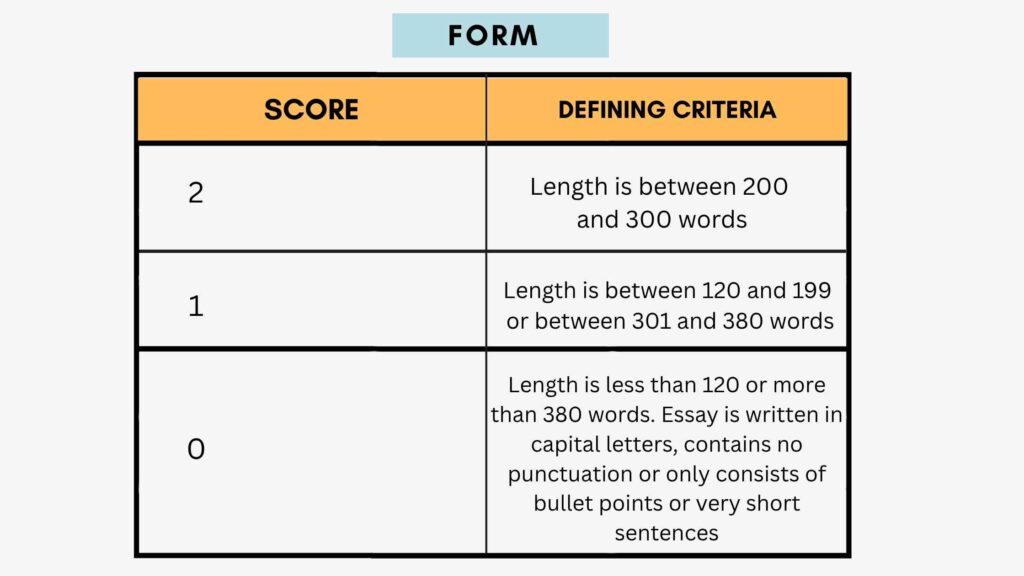
In this section, you are given a prompt to read. You are then asked to write an essay (200-300 words). You are given twenty minutes to write your essay.
Part 2: Reading
(approximately 30 minutes)
Multiple-choice, choose single answer
In this section, you read a text (up to 300 words). You are then given a multiple-choice question on with three to five answer options. You choose the one correct answer option. You do one to two of these items, depending on the combination of items in your test.
Multiple-choice, choose multiple answers
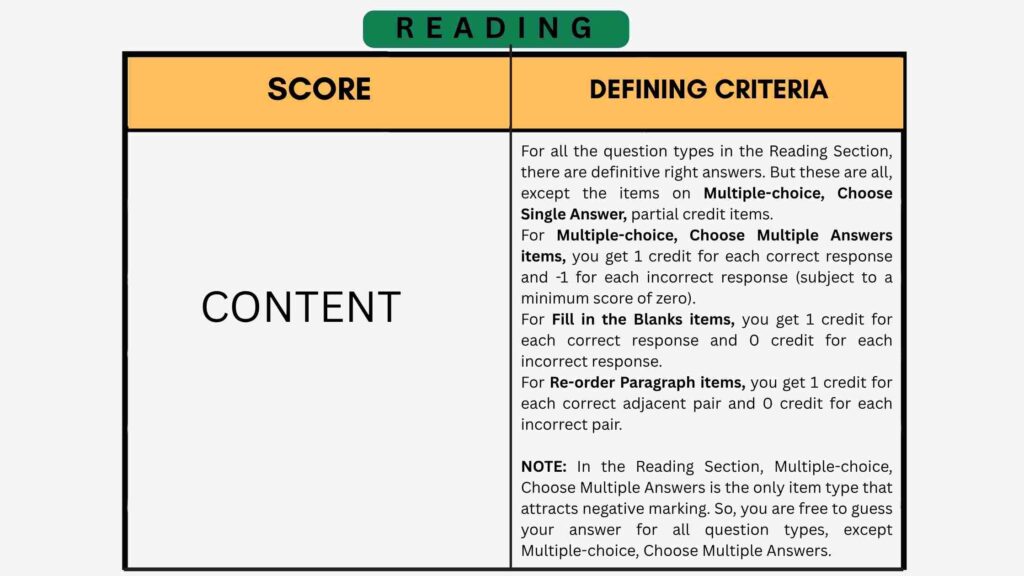
In this section, you read a text (up to 300 words). You are then given a multiple-choice question with five to seven answer options. You choose all the correct answer options. You do one to two of these items, remember for one wrong answer one negative mark will be penalised.
Re-order paragraphs
In this section, you are given a text (up to 150 words) divided into paragraphs rather in sentences. The sentences are in the wrong order. You have to drag and drop the sentences into the correct order to make the right pair. For each correct pair, you will be awarded one mark. You do two to three of these items.
Fill in the blanks – Drag and Drop
In this section, you read a text (up to 80 words) which has blanks in it. You drag words from a box and drop each word onto the correct blank to complete the text. You do four to five of these items.
Fill in the blanks – Reading and Writing
In this section, you read a text (up to 300 words) which has blanks in it. You click on each blank and a drop-down list appears. You choose the correct word from each list to complete the text. You do five to six of these items, depending on the combination of items in your test.
Part 3: Listening
(approximately 30 minutes)
Section 1: Summarize spoken text
In this section, you listen to a short lecture. You are then asked to write a summary of that lecture within 50-70 words. You do one to two of these items.
Section 2: Multiple-choice, choose multiple answers
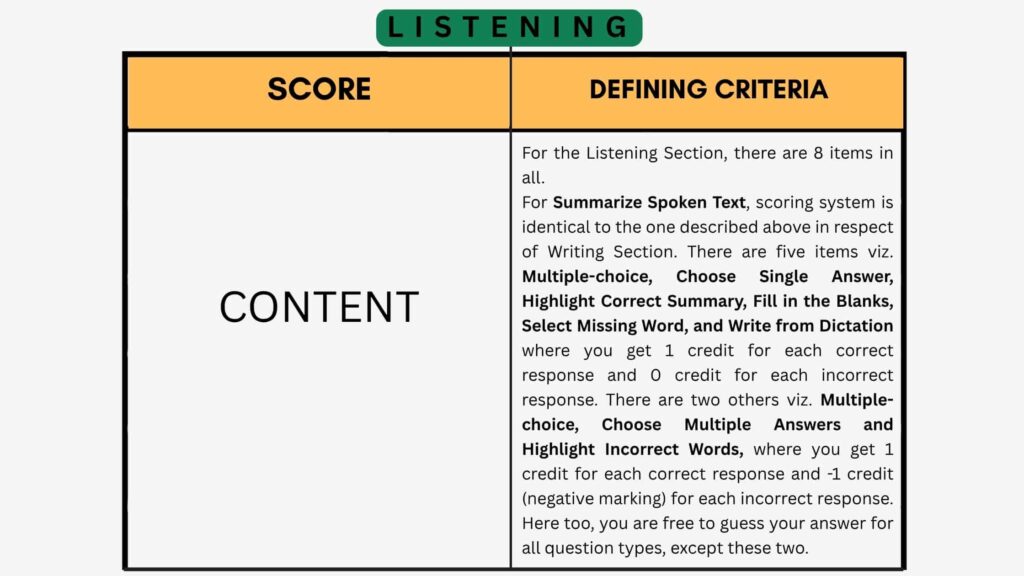
In this section, you listen to a recording on an academic subject. You are then given a multiple-choice question with five to seven answer options. You choose all the correct answer options. Remember when you face Multiple choice questions with multiple answers in PTE, all have negative markings for each wrong answer. You do one to two of these items.
Section 3: Fill in the blanks
In this section, you listen to a recording while you read a transcription of that recording. The transcription has up to seven blanks in it. As you listen, you type the missing word you hear in the blanks. It is one kind of spelling test for you. You do two to three of these items, depending on the combination of items in your test.
Section 4: Highlight correct summary
In this section, you listen to a recording. You read three to five paragraphs and select the paragraph which is the best summary of the recording. You do one to two of these items.
Section 5: Multiple-choice, choose single answer
In this section, you listen to a recording on an academic subject. You are then given a multiple-choice question with three to five answer options. You choose the one correct answer option. You do one to two of these items.
Section 6: Select missing word
In this section, you listen to a recording. The final word or group of words has been replaced by a beep sound. You are given three to five answer options. You choose the correct answer option to complete the recording. You do one to two of these items.
Section 7: Highlight incorrect words
In this section, you listen to a recording while you read a transcription of that recording. The transcription contains up to seven deliberate errors. You click on the words in the transcription which do not match the recording. Remember if you click on the word which matches with the recording, you will be penalized one negative mark for each wrong selection. You do two to three of these items.
Section 8: Write from dictation
In this section, you hear a sentence. You are then asked to write the sentence exactly as you heard it, using correct spelling. You do three to four of these items, depending on the combination of items in your test.
SCORING PATTERN
Candidates for PTE Academic receive a score report, which includes an Overall Score out 0f 90 from all the modules.
By analysing your skill profile, you will find that these scores are mainly based on two parameters
- Communicative Skills scores, and
- Enabling Skills scores.
Communicative Skills consist of Listening, Reading, Speaking, and Writing. For items integrating various communicative skills, the score contributes to such different communicative skills are involved. The score range for each skill is 10-90 points.
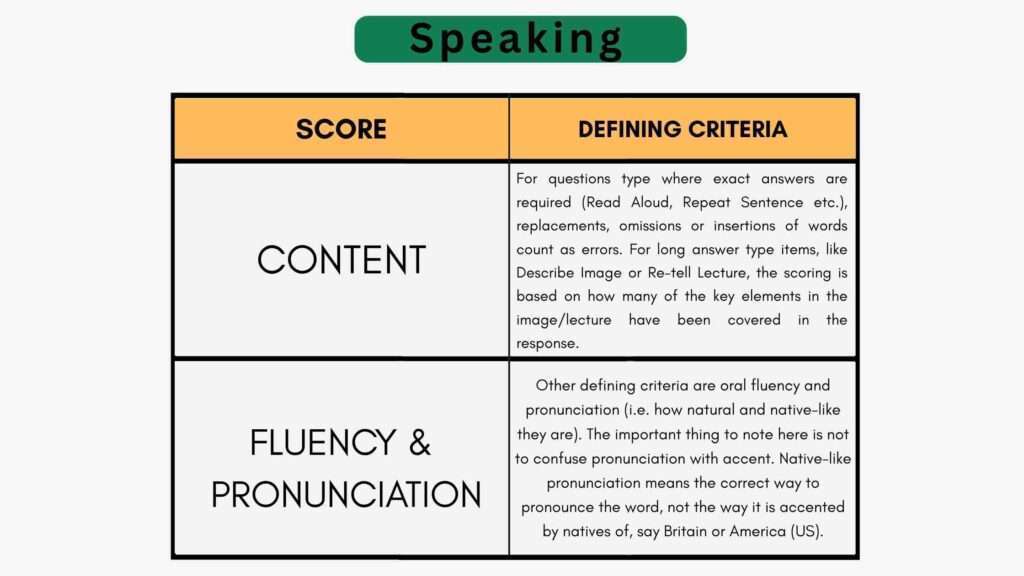
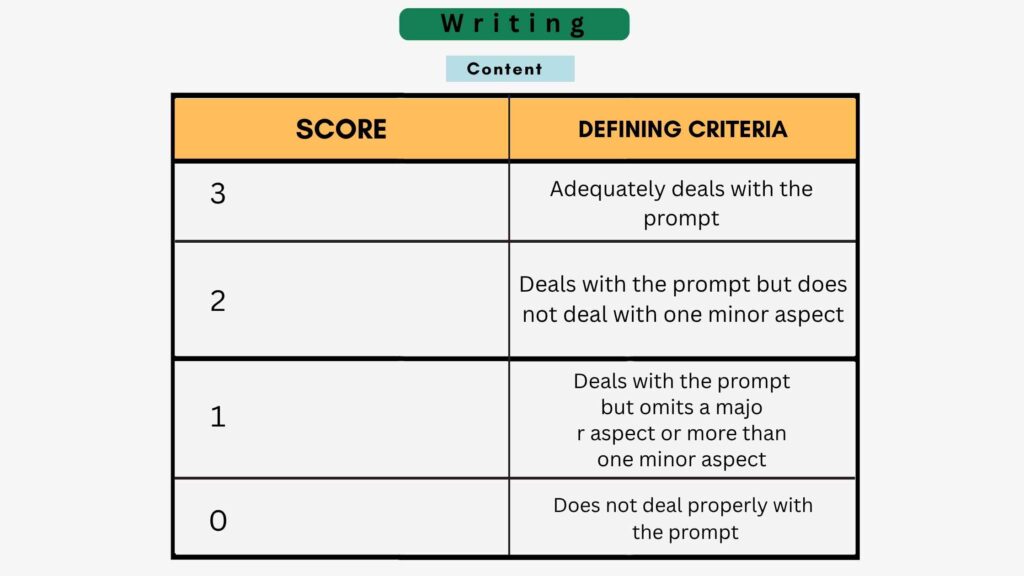
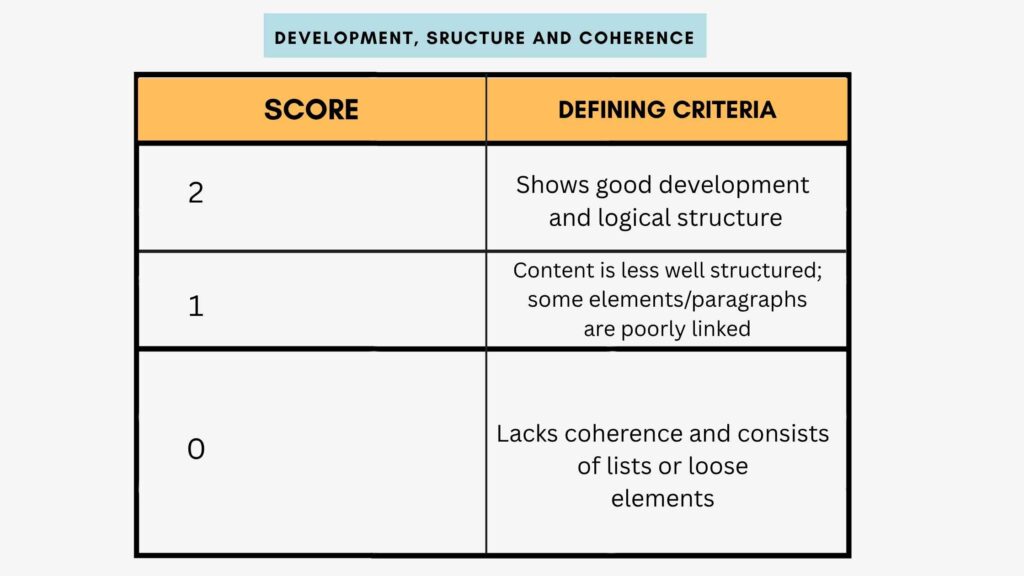
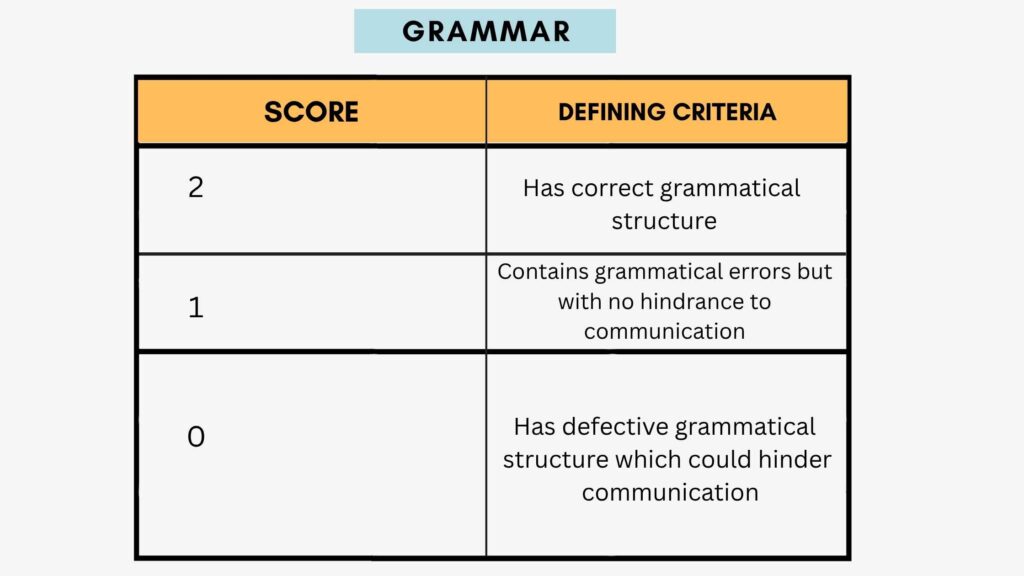
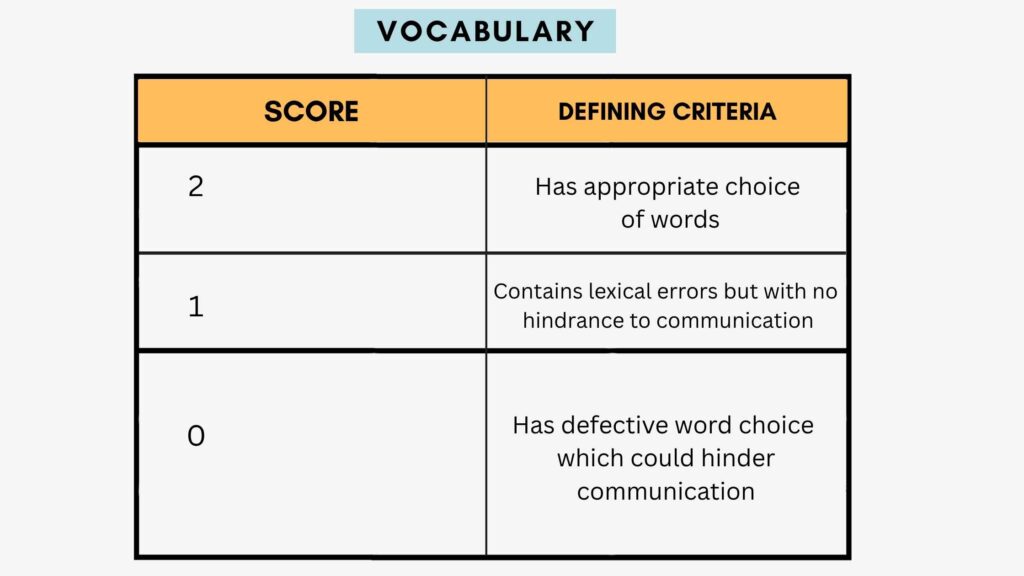
Enabling Skills consist of Grammar, Oral Fluency, Pronunciation, Spelling, Vocabulary, and Written Discourse. Each item on the exam contributes to these scores in a complex way, depending on the particular skills being tested. The score range for each skill is 10-90 points. No enabling skills score is awarded if the response for the related item is inappropriate in content or form. An essay written unrelated to the topic assigned, for example, will earn no score, even for the related enabling skills. In relation to form, if a task requires a one-sentence summary of a text and the response consists of a list of words, no score points for the response will be given.
Two Types of Scoring in PTE
There are two types of question items, and hence, two types of scores in PTE:
- Correct/Incorrect Items (Full credit or zero credit)
The score for these items is based on correctness alone.
- Partial Credit Items (Correct/Partially Correct/Incorrect)
The score for these items is based on
- Correctness
- Formal aspects (e.g., word limit)
- Quality of response (assessment of enabling skills)
Last but not least, it is essential to understand that since the entire PTE scoring system is AI-based (no human touch at any stage UNLESS REQUIRED), and since PTE has publicized the system of scoring for each question type, it is essential to keep note of small details so as to avoid being penalized for any small deviation from prescribed norms.